Book information
- Publisher
- African Minds
- Publication
- Published 27 July 2026
- Catalogue record
- View in the catalogue
Abstract
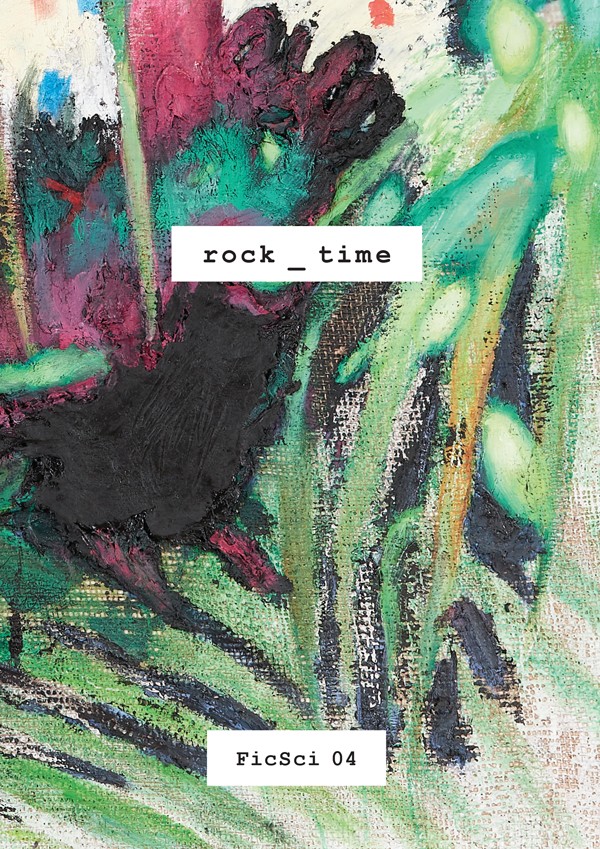
What is science communication? This collection, the fourth in the series, continues to argue that it can be creative writing aimed at the heart, rather than information directed to the mind.FicSci playfully subverts the term ‘science fiction’ to offer an experimental process that explores the limits of imagination in relation to scientific possibility (and vice versa). FicSci is an experiment in hybridised creative practice that induces new forms of knowledge-making between the hard sciences and the social world. This collection offers writing that emerged from an encounter bringing together creative writers with a geologist working on geochemistry and geochronology.The presented research invited contemplation of scientific aspects of caves, chronologies and environments associated with human evolution in the Cradle of Humankind. The writings that emerged offer new creative engagements with deep time, rock formation and fossil dating.
Chapters
Where its authors and editors are based
Countries of the institutions the book's authors, editors and chapter authors were affiliated to when it was published.
- AUTHORS / EDITORS
- CITATIONS Phase 2
- USAGE Phase 3
No affiliations with a known country in these years yet.
About this data
These figures cover 17 works. Each value comes from the most trusted source that has it; a correction made by OJC or OBC staff outranks every source.
| Source | Confidence | Works |
|---|---|---|
| Thoth | 90 / 100 | 17 |
| Works with a publication date | 100% |
|---|---|
| Works with a DOI | 100% |
| Works with a funder recorded | 0% |
| Authors with an affiliation | 0% |
Countries come from the institution each author was affiliated to when they published, as recorded in ROR. A country is never guessed, so authors without a matched institution are not counted on the maps.
Funders come from OpenAlex for articles and Thoth for books, where publishers recorded them. Most works record none, so a funder's figures show what is recorded, not everything it funded.
Chapters count as works: their authors and editors, and the countries of their institutions, are in every figure where Thoth records an affiliation for them.
Citations (Phase 2) and usage (Phase 3) are not collected yet.